

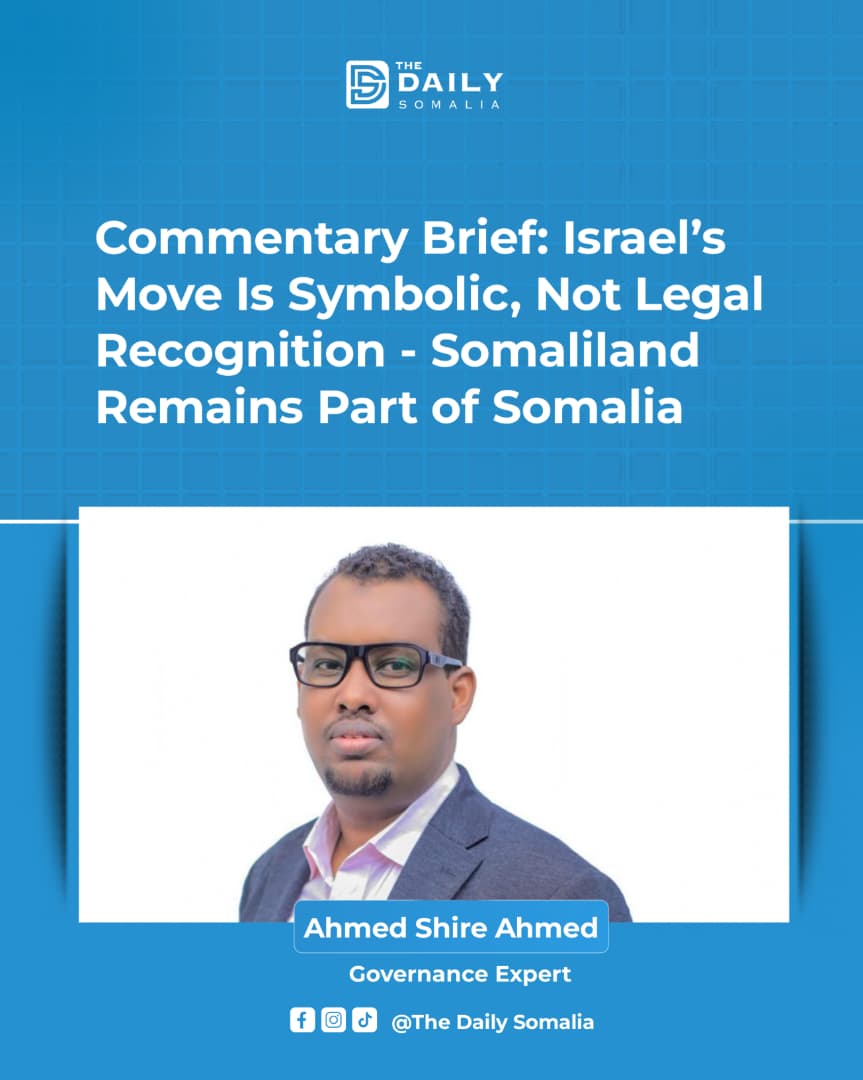
Since 1945, the international system has recorded 34 secessionist movements worldwide. Historical evidence shows that outcomes have been limited and highly constrained, only three movements achieved full statehood through peaceful settlement with their parent states (South Sudan, East Timor, Eritrea), six were forcefully reintegrated and six others returned through negotiated, peaceful dialogue. The remaining 19 movements continue to exist without achieving internationally recognized statehood.
In several cases, de facto entities received unilateral recognition from individual countries, like the case of Western Sahara. Such recognition has consistently been political and symbolic, rather than legal international recognition. Under international law, statehood is not created by isolated political acts, but through settlement process between the concerned entities within the international and United Nations systems and frameworks.
Against this backdrop, Israel’s reported move toward recognizing Somaliland follows a familiar and problematic pattern of unilateral political gestures. Such a move will only destabilize the already fragile Horn of Africa, a region that requires de-escalation, dialogue and respect for sovereignty not unilateral actions.
The move may only establish trouble relations but it does not amount to legal recognition under international law. Political recognition by a single country does not alter sovereignty, borders or international legal status.
Accordingly, Somaliland remains, in legal and international terms, part of the sovereign territory of the Federal Republic of Somalia. Unilateral political actions cannot override international law or undermine Somalia’s territorial integrity, which remains firmly protected under the existing international legal order.
Ahmed Shire Ahmed
Governance Expert


