
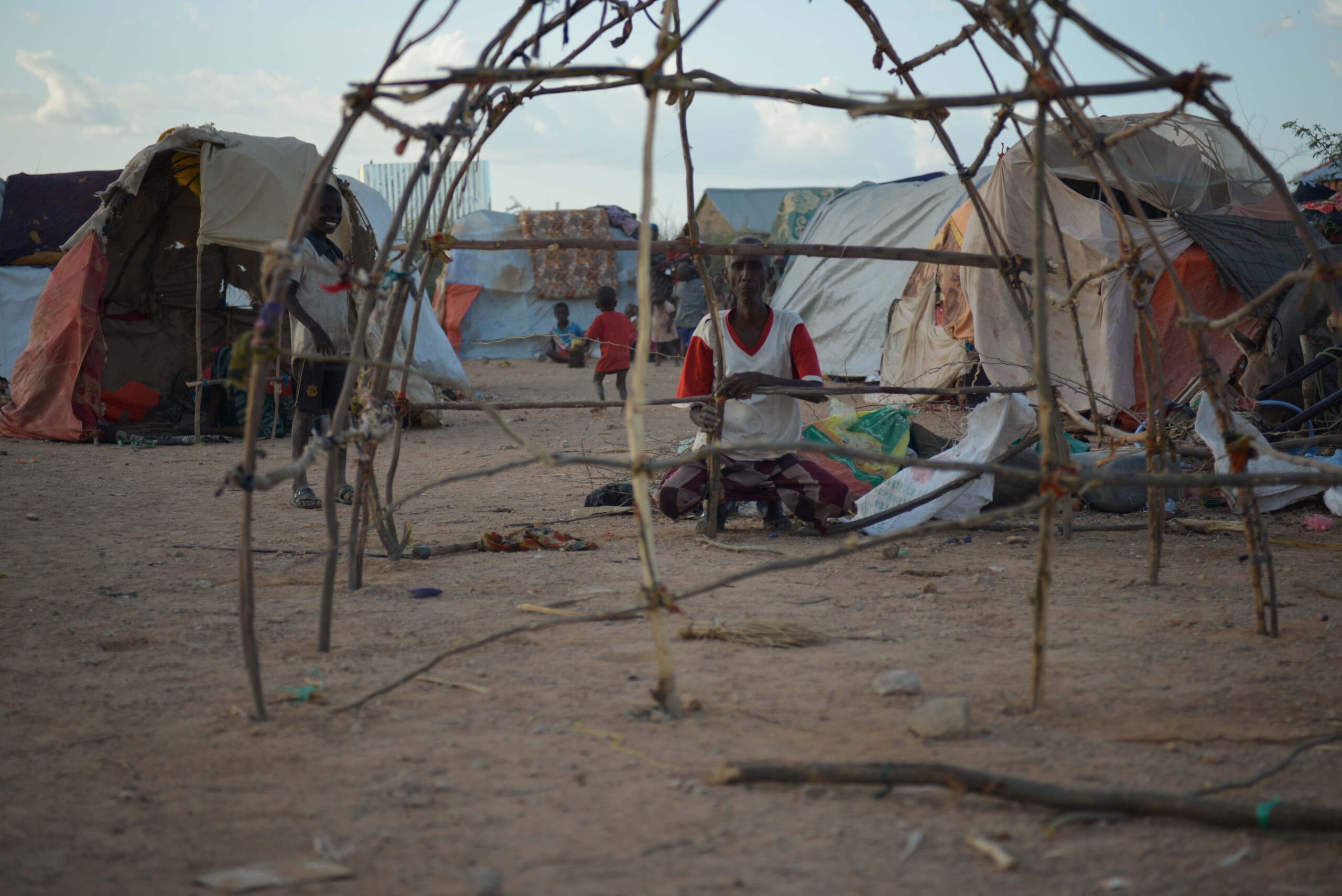
Conflict and insecurity drove more than half of the nearly 75,000 internal displacements recorded in Somalia between July and September, while drought-related movements rose sharply, according to a UNHCR report released on 29 October.
The Protection and Solutions Monitoring Network’s third-quarter report recorded 74,932 movements, down by about a third from the same period in 2025. But the lower quarterly figure concealed growing pressure in particular districts and continuing risks for displaced families.
Baidoa was the largest district of origin, accounting for about 19,000 departures. The report linked most movement from the district to conflict, with families travelling to Qansax Dheere, Banadir and Diinsoor. Baidoa and Afgooye together accounted for 44 per cent of departures recorded during the quarter.
The concentration of arrivals has put particular receiving areas at the centre of the response. Afgooye, Qansax Dheere, Bosaso and Banadir received 41 per cent of recorded movements. UNHCR called for shelter, water, sanitation and protection assistance in these locations, alongside monitoring of families who remained in areas affected by insecurity.
Drought-related movement increases
The network recorded 20,387 drought-related displacements, compared with 11,430 a year earlier. That was a 78 per cent increase, even as overall quarterly movement declined. Kismayo received the largest number of drought-related arrivals, followed by Ceerigaabo, Qandala, Caynabo and Bosaso.
The report recommends timely cash support and help protecting livelihoods in communities affected by drought. Such assistance is intended to reach households before deteriorating conditions force them to leave, while services in receiving areas must also support people who have already moved.
Protection gaps
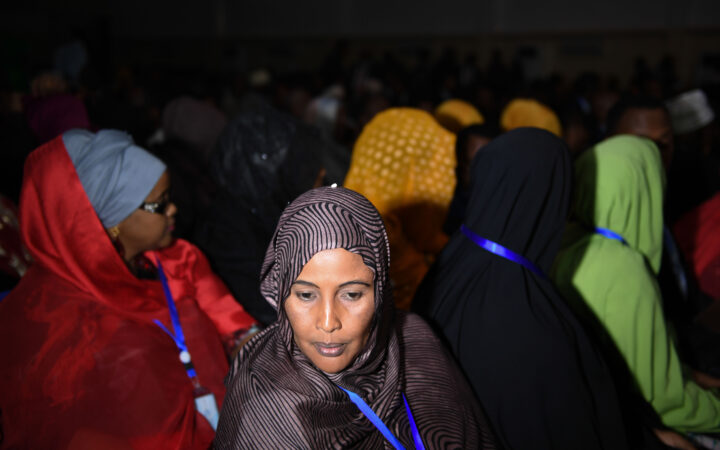
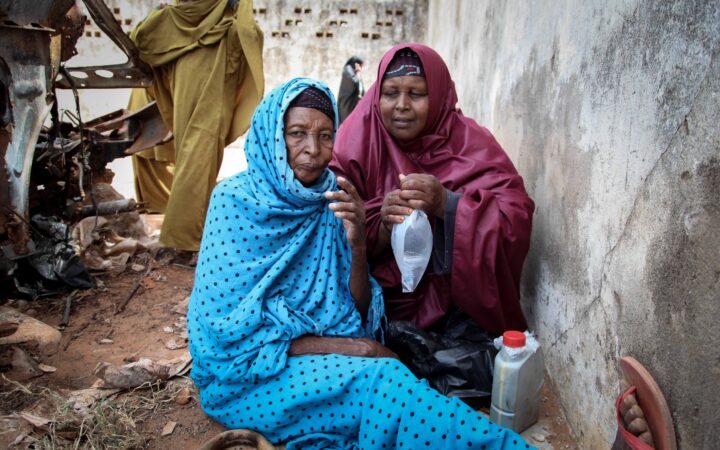
Women and children accounted for 83 per cent of those displaced during the quarter. The report identified child protection concerns in Hiiraan and risks affecting women and girls in Banadir and Togdheer. It also warned that gaps in monitoring in some major displacement locations limit the picture of abuse and other threats.
The figures track displacement movements rather than the total number of people living in displacement. Separately, UNHCR’s Somalia data portal puts the estimated internally displaced population at approximately 3.35 million as of 30 September. Banadir and Bay account for the largest regional totals in that estimate.
The quarterly findings draw on interviews with affected communities and key informants gathered by local partners working with UNHCR and the Norwegian Refugee Council.
Have a correction or information to share? Contact the newsroom.