

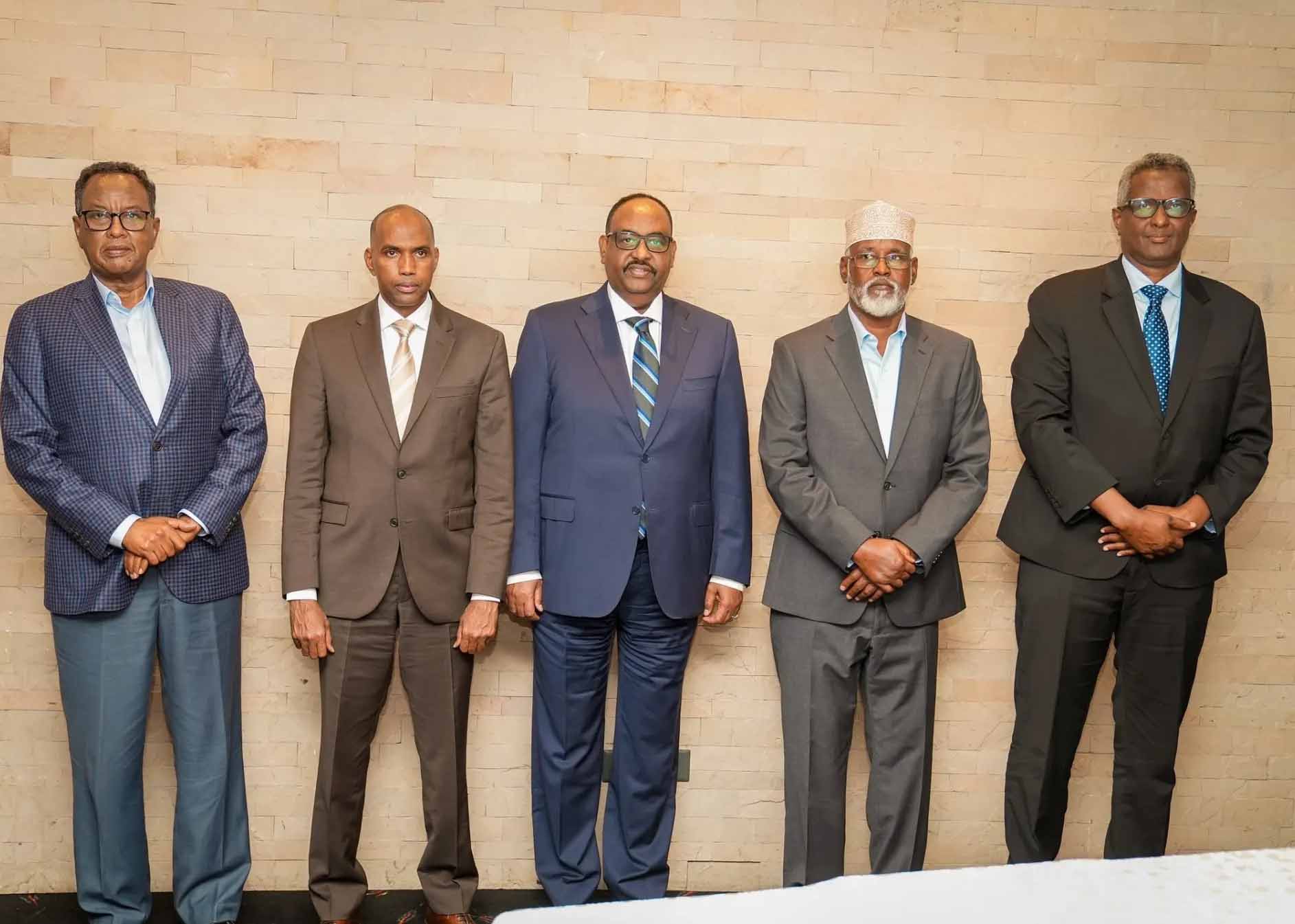
Somalia’s Future Council is currently debating two proposed electoral models as part of preparations for anticipated mediation talks with Villa Somalia, according to sources familiar with the discussions.
Both proposals aim to shape the next electoral process but differ in structure while maintaining elements of indirect voting. Each model includes two election management bodies, multiple polling locations across federal member states, and a 90-day implementation timeline.
The first model retains a largely indirect system. Under this approach, each parliamentary seat would be decided by 301 delegates. Voting would take place across different regional locations, overseen by two electoral committees. While it introduces broader geographic distribution, it remains close to previous delegate-based systems.
The second model presents a more expanded format that resembles a direct election. It proposes voter registration followed by public participation, where registered citizens would line up to vote. However, candidacy would remain restricted to individuals from the specific clan allocated to each seat, maintaining a controlled structure. Two electoral bodies at different levels would supervise the process, also within a 90-day period.
Despite differences in presentation, both models are seen by observers as modified versions of a “one person, one vote” system, with added layers rather than a full transition to open national elections.
Deliberations within the council are ongoing, with detailed briefings being conducted on each model. A final decision is expected before the end of the week, after which a unified proposal may be presented during talks between the Federal Government and opposition-aligned political groups.
The outcome of these discussions could play a key role in shaping Somalia’s electoral direction at a time of rising political tension and uncertainty over the transition process.


