

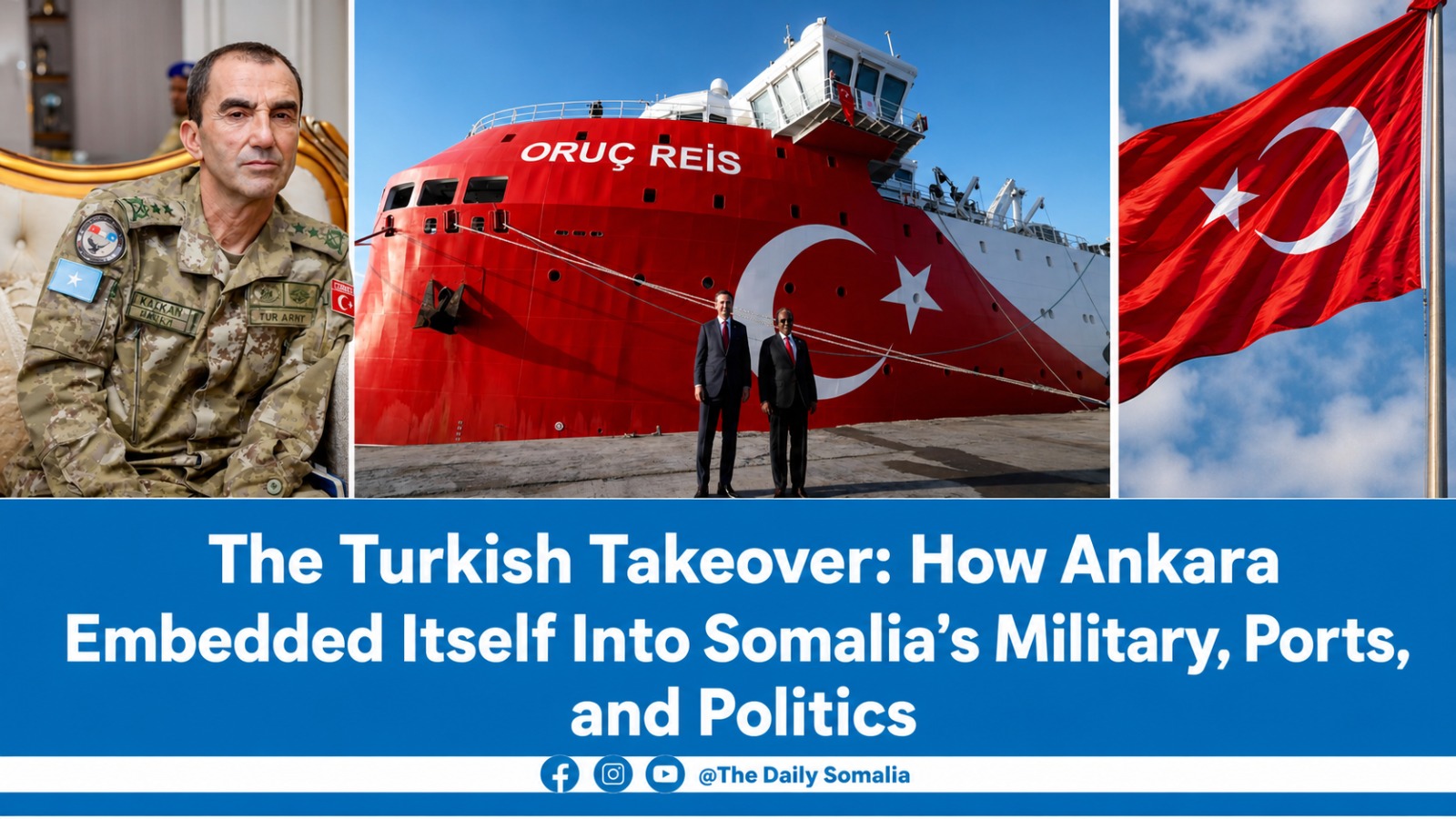
Türkiye’s expanding presence in Somalia is facing renewed scrutiny following serious allegations against a Turkish military commander, growing opposition pressure, and unanswered questions over a controversial oil pact approved without parliamentary review. Türkiye’s role in Somalia has grown substantially over the past fifteen years, spanning military training, infrastructure management, and diplomatic engagement. But recent developments have prompted fresh questions about the scope and terms of that involvement.
Türkiye first established a significant presence in Somalia during the 2011 famine, when President Recep Tayyip Erdoğan visited Mogadishu a gesture widely credited with opening a new chapter in bilateral relations. Since then, Ankara has expanded its engagement considerably. Turkish entities currently manage Aden Adde International Airport and the Port of Mogadishu under long-term agreements. Turkish state agency TIKA has funded hospitals, schools, and infrastructure projects across the country. Turkish Airlines operates regular flights to the capital, and scholarship programs have brought hundreds of Somali students to Turkish universities.
On the security front, the TURKSOM Military Training Base established in Mogadishu in 2017 on a 40-hectare compound and staffed by approximately 200 Turkish military personnel has trained an estimated 10,000 Somali soldiers across infantry, logistics, and officer development programs. It remains the single largest foreign military training facility in the country, and one of the most consequential contributors to the rebuilding of the Somali National Army since the collapse of the state in 1991. Bayraktar TB2 combat drones have entered Somali military service. Turkish advisors are reported to be embedded within Somali intelligence structures. Ankara has simultaneously positioned itself as the diplomatic broker of the Horn of Africa’s most volatile dispute, hosting multiple rounds of Somalia-Ethiopia normalization talks in the Turkish capital.
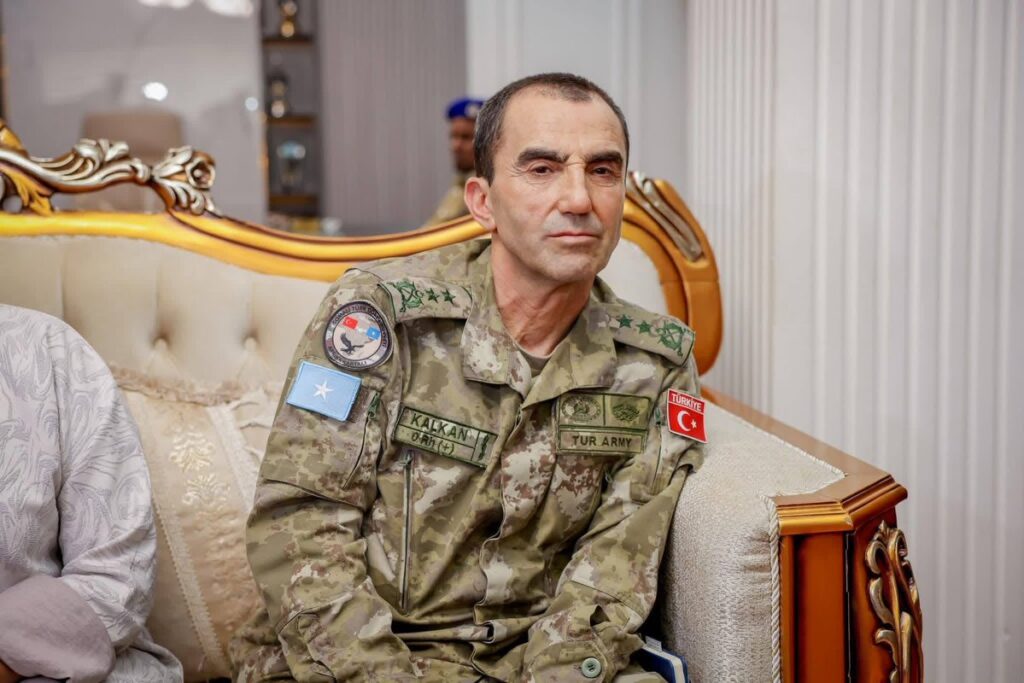
However, allegations have recently emerged concerning the conduct of the base’s commander, Maj. Gen. Şahabettin Kalkan. Sources claim that Gen. Kalkan intervened in the internal affairs of the Somali National Army, allegedly blocking a Somali officer from attending overseas training and ordering his dismissal. The allegations have not been independently verified, and no official response has been issued by either the Somali Federal Government or Turkish authorities.

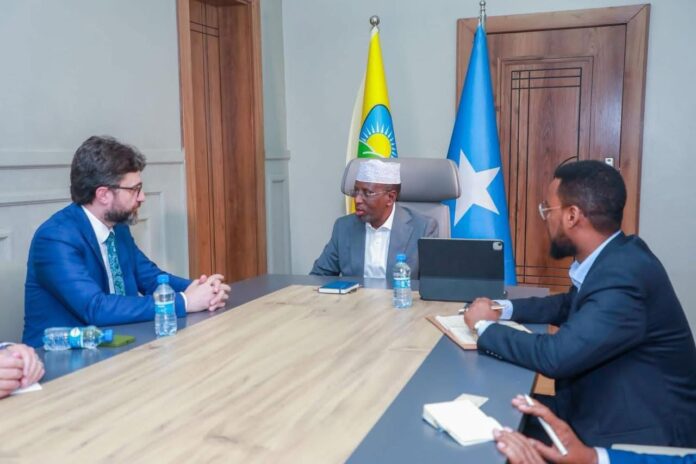
Southwest State has been at the center of one of Somalia’s most consequential federal disputes in recent memory. The region’s previous administration was forcibly removed from office by the Federal Government, which deployed forces to Baidoa and installed allied leadership a move critics described as a direct violation of Somalia’s federal arrangement and a troubling pattern of central government overreach into regional governance. Significantly, that administration had publicly criticised the Federal Government’s use of Turkish military assets, including Bayraktar TB2 combat drones, alleging that Turkish-supplied aerial capabilities were being deployed not against Al-Shabaab or external threats but in service of Mogadishu’s domestic political objectives, including the pressure campaign against Baidoa itself. Those accusations were never formally investigated, and no official response was issued by either the Federal Government or Turkish authorities.
Opposition leaders in Mogadishu have echoed those calls, urging the Federal Government to formally clarify the terms under which Turkish military personnel operate inside Somalia and to hold foreign partners to the same standards expected of Somali commanders. The statements reflect a deepening unease among regional administrations and political actors that foreign military presence and the Federal Government’s opaque management of it risks undermining the very institutional development and federal compact on which Somalia’s political architecture depends.

Somalia’s hydrocarbon sector has added a sharper and more consequential dimension to the scrutiny surrounding this relationship. The country holds an estimated 30 billion barrels of oil equivalent across offshore Indian Ocean blocks and onshore reserves in Jubaland, Puntland, and the southwestern regions — a resource base whose potential revenues are assessed at upwards of $150 billion at current market prices, a figure that could fundamentally transform Somalia’s economic future.
In March 2024, the Federal Government signed an exploration and production sharing agreement with a Turkish-linked energy consortium covering two offshore blocks in the Indian Ocean, granting a 25-year license with Ankara-backed entities holding a reported 90 percent participating interest a share that analysts describe as extraordinarily high by regional and international industry standards, effectively leaving Somalia with a nominal stake in its own resource extraction.
Somali MP Abdirahman Abdishakur voiced concern over a Somalia–Turkey oil deal as the drilling vessel Çağrı Bey heads to Somali waters, calling the agreement “imbalanced” and warning it could sideline Somalia’s interests. He said the deal allocates over 90% of benefits to one side, with no clear tax or social investment framework, risking little real gain for Somalia. He added it lacks transparency, offers no job guarantees or local benefits, and assigns disputes to Turkish courts, raising constitutional concerns.
The agreement was subsequently ratified by the Somali Federal Parliament in a session that lasted less than forty minutes, with multiple legislators later stating publicly that they had not been provided the full text of the agreement prior to the vote. Civil society groups and legal analysts have questioned whether the ratification met the procedural requirements of Somalia’s Petroleum Law, passed in 2020, which mandates full parliamentary review of all upstream licensing agreements. No independent audit of the terms has been published, and the Revenue Sharing Framework attached to the agreement remains classified.
The agreement was subsequently ratified by the Somali Federal Parliament in a session that lasted less than forty minutes, with multiple legislators later stating publicly that they had not been provided the full text of the agreement prior to the vote. Civil society groups and legal analysts have questioned whether the ratification met the procedural requirements of Somalia’s Petroleum Law, passed in 2020, which mandates parliamentary review of all upstream licensing agreements. No independent audit of the terms has been published, and the Revenue Sharing Framework attached to the agreement remains classified.
Separately, Turkish opposition politician Turhan Çömez has claimed that President Erdoğan signed a presidential decree approving a $30 million aid package to Somalia, published in Turkey’s official gazette. Çömez further alleged that additional measures, including the allocation of land in Ankara for Somali diplomatic use, are under consideration. Neither the Federal Government nor Turkish officials have publicly confirmed or denied these claims.
Analysts note that while Türkiye’s contributions to Somalia have been substantial, the terms governing key agreements including the TURKSOM arrangement have not been made publicly available, limiting the scope for parliamentary or public oversight.
The Federal Government has not issued a statement addressing either matter. Both developments are expected to draw continued attention in the weeks ahead.


