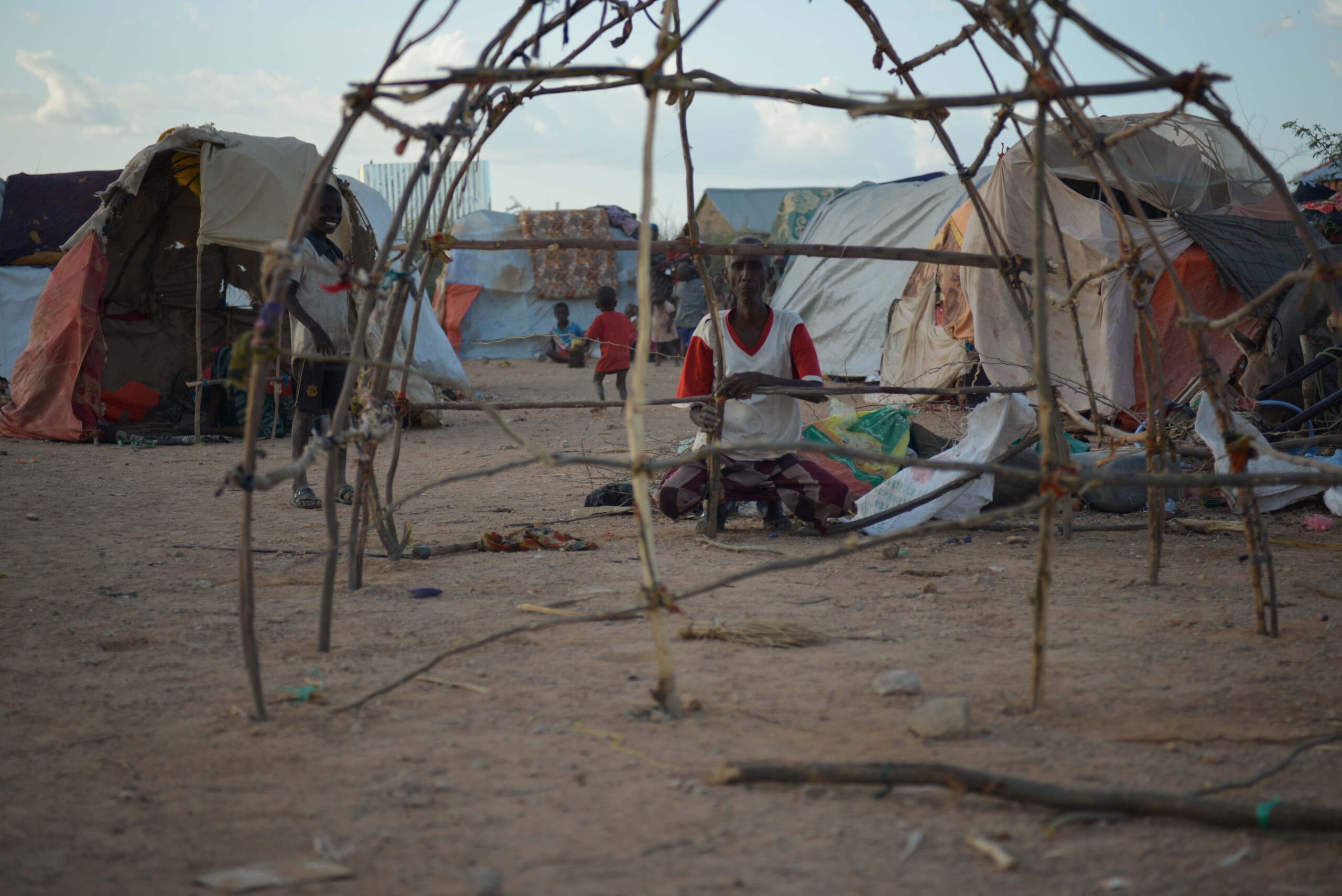
MOGADISHU, Somalia, October 30, 2026 — Conflict and insecurity accounted for more than half of the nearly 75,000 internal displacement movements recorded across Somalia between July and September, while drought-related displacement rose sharply compared with the same period last year, according to a UNHCR report released on October 29.
The third-quarter report by the Protection and Solutions Monitoring Network (PSMN) recorded 74,932 displacement movements, approximately one-third fewer than during the corresponding period in 2025. Despite the overall decline, insecurity continued to uproot families in several districts, while worsening drought conditions placed additional pressure on vulnerable communities.
Baidoa, the capital of South West State, recorded the highest number of departures, with approximately 19,000 movements originating from the district. Most were attributed to conflict, with displaced families travelling to Qansax Dheere, Banadir and Diinsoor.
Together, Baidoa and Afgooye accounted for 44 per cent of all recorded departures during the quarter, showing how displacement remained concentrated in areas affected by prolonged insecurity.
Receiving communities also faced growing demands for basic services. Afgooye, Qansax Dheere, Bosaso and Banadir accounted for 41 per cent of recorded arrivals.
UNHCR called for increased shelter, clean water, sanitation and protection assistance in these locations, alongside continued monitoring of civilians who remain in conflict-affected areas.
Drought Displacement Rises Despite Overall Decline
While total displacement fell compared with last year, drought-related movements increased considerably.
The monitoring network recorded 20,387 movements attributed to drought, up from 11,430 during the third quarter of 2025, an increase of approximately 78 per cent.
Kismayo received the largest number of people displaced by drought, followed by Ceerigaabo, Qandala, Caynabo and Bosaso.
The figures indicate that environmental pressures are driving displacement even as the overall number of recorded movements declines.
The report recommends timely cash assistance and livelihood support for drought-affected households to help families remain in their communities where conditions allow. It also calls for improved access to essential services in areas receiving displaced populations.
Women and Children Face Greater Protection Risks
Women and children accounted for 83 per cent of recorded displacement movements during the quarter, making them particularly exposed to the consequences of insecurity, disrupted livelihoods and limited access to services.
The report identified child protection concerns in Hiiraan and specific risks affecting women and girls in Banadir and Togdheer.
UNHCR also warned that gaps in protection monitoring in several displacement locations make it difficult to establish the full extent of abuse, exploitation and other threats facing displaced communities.
These concerns extend beyond immediate humanitarian needs. Families forced to leave their homes may lose access to education, healthcare, livelihoods and community support, while receiving settlements can struggle to accommodate additional arrivals.
More Than 3.3 Million Somalis Remain Internally Displaced
The quarterly figures measure recorded displacement movements, not the total number of people currently living in displacement.
Separate figures from UNHCR’s Somalia data portal estimate that approximately 3.35 million people were internally displaced as of September 30, 2026, with Banadir and Bay accounting for the largest regional populations.
The findings are based on information collected through interviews with affected communities and key informants by local partners working with UNHCR and the Norwegian Refugee Council.
Although fewer displacement movements were recorded during the third quarter than a year earlier, the increase in drought-related departures and the continued concentration of conflict-driven displacement show that humanitarian needs remain substantial in several parts of Somalia.
Have a correction or information to share? Contact the newsroom.